- How Much Personal Data Was Compromised in 2025
In this article
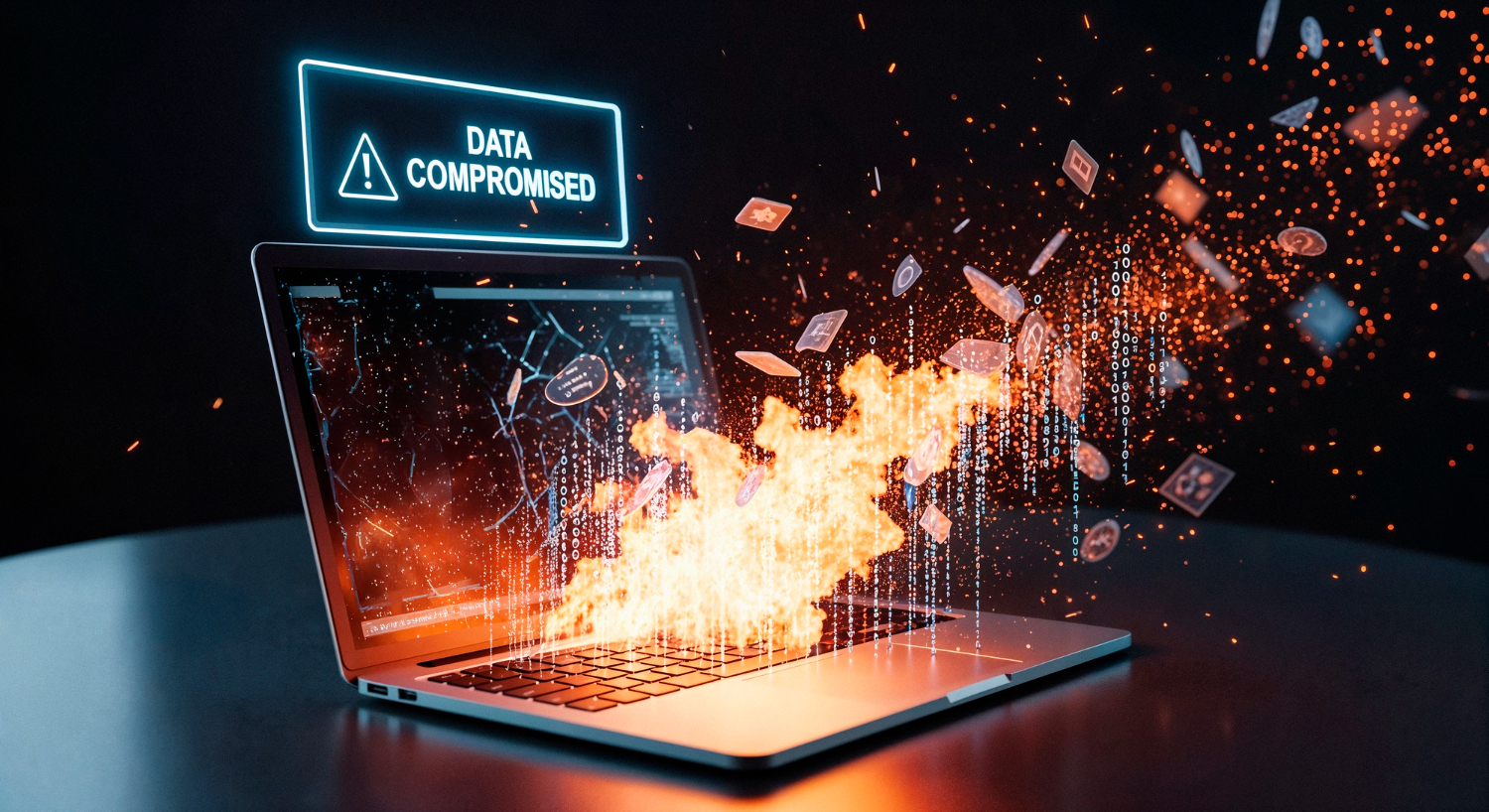
If it feels like data breaches are no longer rare events but a constant background threat, that’s because they are. In 2025, the scale of compromised personal information reached levels that cybersecurity experts are calling unprecedented. From healthcare systems and schools to credit bureaus and global surveillance networks, massive troves of sensitive data were exposed, stolen, and circulated online.
What makes 2025 especially alarming isn’t just the number of breaches—it’s the sheer volume of data compromised, the types of information exposed, and how often stolen credentials were reused to fuel even more attacks. For individuals, this raises an uncomfortable question: How likely is it that your personal information has already been compromised?
The Scope of Data Compromise in 2025
In 2025 alone, more than 2.6 billion new compromised data records were identified worldwide—a 23% increase compared to 2024. These records included everything from email addresses and passwords to Social Security numbers, medical details, and biometric identifiers.
However, that figure only tells part of the story. In June 2025, cybersecurity researchers uncovered a single data dump containing an aggregated 16 billion credentials. This massive collection pulled together usernames, email addresses, and passwords from years of prior data breaches and infostealer malware infections. While not all of these credentials were newly stolen in 2025, their consolidation made them far more dangerous—allowing criminals to automate attacks at an unprecedented scale.
In the United States, the impact was especially severe. Data breaches affected over 165 million people in just the first half of the year, meaning roughly half the U.S. population was touched by at least one known breach during that period.
Why Credential Theft Exploded
One of the most important trends of 2025 was the surge in stolen login credentials. The total volume of compromised credentials increased by 160% compared to the previous year, making usernames and passwords the most valuable commodity on the dark web.
Stolen credentials were the leading initial access vector, responsible for approximately 22% of all breaches. This means attackers often didn’t need to hack systems directly—they simply logged in using credentials obtained from previous breaches, phishing attacks, or malware infections.
Once inside, attackers could move laterally through networks, access sensitive databases, deploy ransomware, or sell access to other criminal groups.
Major Breaches That Defined 2025
Several large-scale incidents played a major role in driving the year’s staggering numbers.
One of the most significant was the Chinese surveillance network leak, which exposed more than 4.0 billion records. This breach reportedly included banking information, biometric data, location data, and personal identifiers—marking it as one of the largest data exposures in history.
In the education sector, a breach of PowerSchool, a widely used U.S. K–12 education platform, compromised sensitive records of over 60 million students and teachers. The attack stemmed from stolen credentials, underscoring how reused passwords and weak access controls can have nationwide consequences.
Healthcare remained a prime target. The Yale New Haven Health System breach affected 5.5 million individuals, exposing names, dates of birth, addresses, Social Security numbers, and medical record numbers. Across the U.S., healthcare breaches impacted more than 29 million people in the first six months of 2025 alone.
Financial data was not spared. A breach involving TransUnion occurred through a compromised third-party application, exposing highly sensitive identity records—including Social Security numbers—for approximately 4.4 million individuals.
How Data Was Compromised
While the targets varied, the methods attackers used were strikingly consistent.
Ransomware played a role in 44% of all breaches in 2025, up sharply from 32% the year before. In many cases, ransomware wasn’t just used to encrypt systems but also to exfiltrate data for extortion.
Supply chain attacks doubled in frequency, accounting for 30% of incidents. Rather than attacking large organizations directly, criminals compromised third-party vendors, software providers, or service platforms, then used that access to reach downstream victims.
Infostealer malware continued to fuel the credential economy. These malicious programs quietly harvest saved passwords, session cookies, and autofill data from infected devices, feeding massive databases that attackers can exploit for years.
What This Means for You
For everyday people, the implications are sobering. The likelihood that your personal information has been compromised is no longer hypothetical—it’s increasingly probable.
Even if you practice good security habits today, your data may have been exposed years ago through organizations you trusted. When those old credentials resurface in aggregated dumps, they become tools for modern attacks such as account takeovers, identity theft, and financial fraud.
Healthcare and education breaches are particularly concerning because they expose information that cannot be easily changed. You can reset a password, but you cannot change your date of birth, medical history, or Social Security number.
Why Data Exposure Is a Long-Term Risk
One of the most dangerous aspects of modern data breaches is persistence. Stolen information doesn’t expire. Once it’s circulating online, it can be resold, repackaged, and reused indefinitely.
This is why individuals may experience fraud or identity theft years after a breach occurs. Criminals often wait, combining data from multiple sources to build detailed profiles that make scams more convincing and harder to detect.
How to Check If Your Information Has Been Compromised
Individuals can take steps to understand their exposure. Services such as Have I Been Pwned allow users to check whether their email addresses or usernames appear in known breach databases. While this doesn’t capture every incident, it can provide valuable insight into past exposures.
Monitoring for suspicious account activity, unexpected password reset emails, and unfamiliar financial transactions is also critical—especially following news of major breaches. iDefend can help monitor and alert you when such information is compromised.
Also, iDefend has online data removal to help get your information off the web and help prevent your information from being compromised further.
The Bigger Picture
The data compromised in 2025 tells a clear story: breaches are larger, faster, and more interconnected than ever before. Attackers no longer rely on single exploits; they chain together stolen credentials, third-party access, and malware to operate at industrial scale.
For individuals, awareness is no longer optional. Understanding how breaches happen—and how often they happen—is the first step toward protecting yourself in a world where data exposure has become the norm rather than the exception.
How iDefend Helps Safeguard Your Identity and Privacy
iDefend is designed to help individuals and families take back control in an environment where data exposure is almost unavoidable. Rather than reacting after damage is done, iDefend focuses on prevention, early detection, and guided recovery.
With iDefend, users receive:
- Identity and dark web monitoring to detect when personal information appears in breach databases or underground markets
- Privacy protection services that help remove personal data from data broker and people-search websites
- Real-time alerts when suspicious activity is detected
- Expert assistance from identity protection specialists who help stop fraud and repair damage if identity theft occurs
As data breaches continue to grow in size and frequency, having dedicated support becomes increasingly important. iDefend helps ensure you’re not facing these risks alone—and that your personal information isn’t silently working against you.
iDefend works around the clock to safeguard you and your family. Try iDefend risk free for 14 days now!